
 English
 Español
 Русский
 Français
The Science of Softness: What Goes Into a Premium Diaper
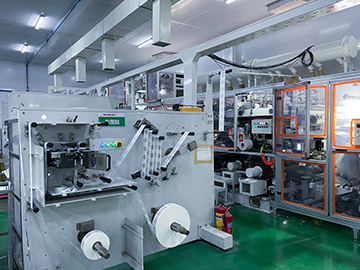
It Starts With the Topsheet
The layer against a baby's skin is usually a soft non-woven spunbond or a spunlace material. Premium lines use finer fibers and filtration technology so moisture passes through quickly while the surface stays dry. Softness here is measured both by touch and by reduced friction on delicate skin.
The Acquisition and Distribution Layers
Beneath the topsheet, an acquisition layer pulls liquid away from the skin and spreads it into the core. A well-designed layer prevents "gel blockage" — the clumping that makes a diaper feel wet and increases rash risk.
Fluff Pulp and SAP: The Absorbency Engine
The core blends cellulose fluff pulp with super-absorbent polymer. The ratio determines capacity, rebound and thickness. More SAP means thinner and higher capacity; more pulp means softer hand-feel and faster uptake. Tuning this blend is where manufacturers differentiate.
Backsheet and Breathability
The outer layer balances leak protection with air permeability. Modern breathable backsheets use microporous film that blocks liquid but lets vapor escape — a key factor in skin health during long wear.
Why This Matters to Buyers
Specifying materials lets you hit a precise price/performance target. A good manufacturer will walk you through each layer and show how a change affects cost, softness and capacity.