
 English
 Español
 Русский
 Français
Biodegradable vs Traditional Diapers: A Practical Buyer's Guide
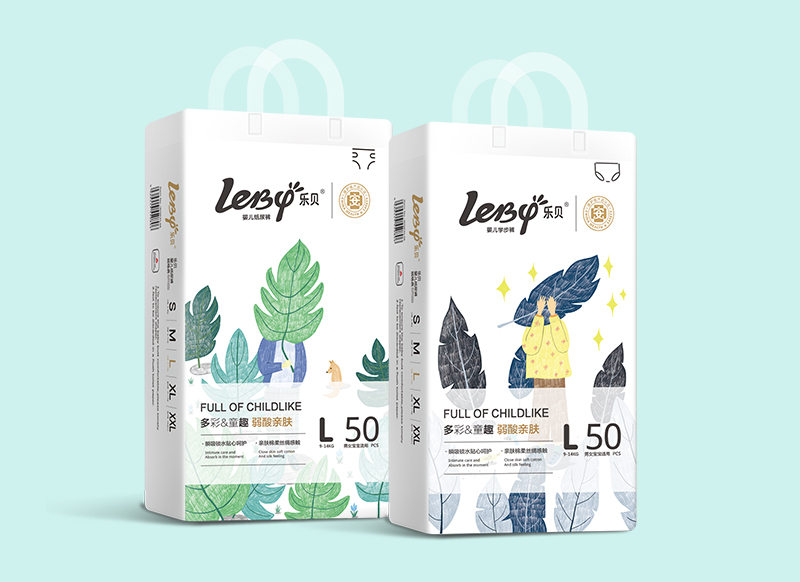
What "Biodegradable" Actually Means
Most conventional diapers combine a fluff-pulp core, super-absorbent polymer (SAP) and plastic-based topsheets and backsheets. True biodegradability depends on the materials and on the disposal environment — a diaper labeled "biodegradable" may still need industrial composting to break down, which is unavailable in many regions.
The Real Trade-offs
Plant-based and reduced-plastic diapers can cut environmental impact, but they often carry a higher cost and, in some formulations, different performance characteristics. For a buyer, the question is not "is it green?" but "how green, at what performance, and at what price the target consumer will accept."
Positioning Without Greenwashing
Vague claims erode trust. Strong brands cite specific choices — responsibly sourced pulp, reduced-plastic backsheet, certified suppliers — and avoid implying a product disappears in a landfill. Transparency converts eco-aware parents into loyal repeat buyers.
A Practical Sourcing Path
Start with a tiered range: a mainstream line plus a clearly specified "eco" variant. Work with a manufacturer who can document the material passport and scale the greener line as demand proves out. That balances margin, compliance and genuine impact.